
Who Is Nathan Driskell, & How Can He Help Me?
There are thousands of Therapists to choose from. What makes me different? I work with people who need help achieving their goals and limiting distractions, such as Electronics, and conditions like Autism. I help my clients fight through these distractions to reach their goals. Why should you choose me? I can sum this up in two words: Experience and Drive.

My Story
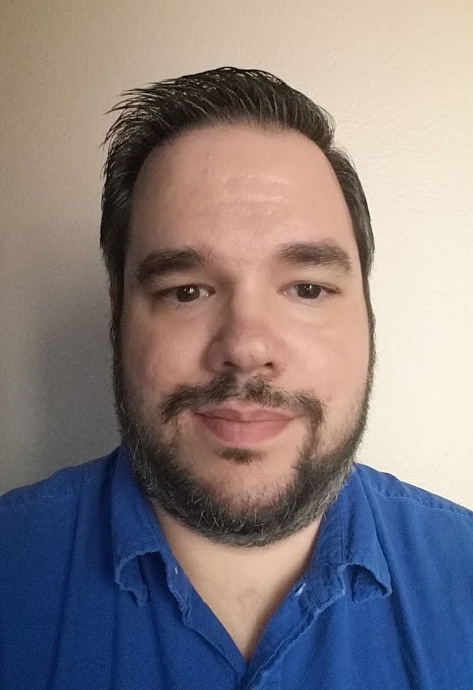
My life began in pain, as I was born over three months premature. Due to complications, I weighed only 2.5 pounds and had to spend the first six months of my life in the hospital. Over the next eight years, I was in the hospital numerous times for lung conditions, including asthma and pneumonia. I almost died two times. In addition, I had learning disabilities and had to attend a special school. The school system told my mother there was no hope for me and there was nothing they could do to teach me. Things got worse when my spine started to curve when I was a teenager when I learned I had three spinal diseases. I had to have spinal reconstructive surgery when I was 16. If one thing is true, it is I know pain and suffering.
Due to my difficulties, I wanted to help people with severe challenges. I went to college and earned a Bachelor’s Degree in Psychology and computer Science and a Master’s Degree in Psychology. I then became a therapist and began working with people with technology addictions and those on the Autism Spectrum. Over the past 16 years, I have worked to help hundreds of people and know how to motivate and facilitate change.
I have had my challenges in life. I was addicted to Electronics and Video Games for six years. I have had problems being productive and combating procrastination. I have to work on myself daily to complete my goals, as it is hard to be a man today. I have lived through hardship and lack, and I know how hard it is to become successful. I can help you or a loved one become Successful!
Credentials
Licensure
- Licensed Professional Counselor (LPC), State of Texas — License #306534, in good standing
- Texas Behavioral Health Executive Council / Texas State Board of Examiners of Professional Counselors
- NPI: 1720345010
- 16+ years in clinical practice
Education
- M.A., Psychology — Houston Christian University (formerly Houston Baptist University)
- B.A., Psychology and Computer Information Systems Management — Houston Baptist University
Clinical Specializations
- Internet and technology addiction — gaming, social media, smartphone overuse, pornography
- High-functioning autism and Asperger’s — children, adolescents, and adults
- Co-occurring autism and digital addiction
- Depression, anxiety, and mood disorders
Therapeutic Approaches
Cognitive Behavioral Therapy (CBT), insight-oriented therapy, and family systems therapy — delivered through goal-oriented, skills-based, individualized treatment.
Books Authored
- Internet Addiction: Kicking the Habit — 30 Day Plan to Take Back Your Life
Click to Learn More - Is Your Child Addicted to Electronics? 30 Days of Healing & Recovery for Your Child & Family
Click to Learn More - So You Have Autism, Now What? 30 Days of Learning, Change, and Empowerment
Click to Learn More
Publishing
- Spectrum & Screens — LinkedIn newsletter on technology, autism, and mental health
- Nathan Driskell Therapy blog — nathandriskell.com
Drive
As a therapist, drive is essential for both the therapist and the Client. Your therapist must be driven to help you and draw out your strengths and passions. Therapy is about the therapist assisting the Client in achieving realistic goals. Motivation is needed, as time is often the enemy of change. Over time, you will falter, and your therapist needs to have the drive to help push you toward the finish line.
I do not give up or bow out when things get complicated. As a Therapist who works with Addictions and Autism, I have learned to be patient and to push when needed. Over the past 16 years, I have learned many techniques to help you combat your problems.
Experience
Most Therapists lack the experience needed to treat Autism and addictions, such as Internet Addiction. Autism is a difficult condition to treat as it is often confused with ADHD. While many therapist can treat drug and alcohol addictions, most lack experience with behavior addictions, such as Internet Addiction. As I have experienced both conditions, I know how to treat both.
I have a Master’s Degree in Psychology and earned an A average in Graduate School. I have been a therapist for the past 16 years and have helped hundreds of people change and improve their lives. I am a published Author and have written three books. I am a Public Speaker and have spoken in schools, hospitals, facilities, and even the FBI. My experience level is top-notch, as I know how to draw out potential and change within a person.
My Individual Therapy Process
Step 1
Initial Consultation
We begin with a Comprehensive Consultation to understand your challenges and to determine if you are ready for Therapy. The Consultation takes around 15 minutes.
Step 2
First Session
In the first session, we will discuss the specifics of your problem and discuss the therapeutic process. We will begin to set goals for Therapy and begin to discuss concrete solutions.
Step 3
Weekly Therapy Sessions
Therapy will continue weekly to ensure momentum. There will be tasks to perform, as you will need to make changes, which will take time. Therapy is not a quick process, and change takes time. Weekly sessions are best.
Therapy is a process that takes time and work. It can sometimes be uncomfortable, as change is often met with resistance. Because change takes time, I often work with Clients for six months or longer.
Resources
Transform Your Life Today
Are you ready to take the next step toward improving your life? If so, contact me, and within 24 hours, I will respond to schedule your Free 15-Minute Consultation.